

Danielle Klapper (MS, LPCC, ATR-BC) is an art therapist with a master's degree in Creative Arts Therapy from Nazareth College in Rochester, New York. With clinical experience spanning residential placements for adolescents, outpatient community clinics, and crisis intervention, Danielle specializes in helping clients heal from trauma and the impact challenging life experiences has had on someone’s daily life. Her holistic and dynamic approach utilizes a variety of therapeutic modalities including Art Therapy, Dialectical Behavior Therapy (DBT), Cognitive Behavioral Therapy (CBT), and Eye Movement Desensitization and Reprocessing (EMDR).
When most people hear the term Art Therapy, they might automatically think of children or individuals who identify as creative. It’s easy to make that mental leap, but in reality, art therapy is a powerful tool that can benefit a wide range of people—not just the artistically inclined.
Many individuals are naturally logical thinkers who see the world in absolutes, or shades of black and white. They may rationalize their way through life, believing they are highly self-aware. While they can discuss issues at length in therapy, they often struggle to connect emotionally with how these thoughts impact their daily lives. Art therapy can help those stuck in rigid thought patterns open up new possibilities. It offers a way to break free from purely rational thinking and engage with emotions that may have been overlooked or suppressed.
Art therapy is particularly beneficial for individuals who feel overwhelmed by their thoughts. Imagine a fishbowl with thoughts swirling around, impossible to grab hold of and focus on—this is the experience of many who struggle with anxiety or overthinking. Engaging in artistic activities helps calm the chaos by organizing thoughts in a more manageable way.
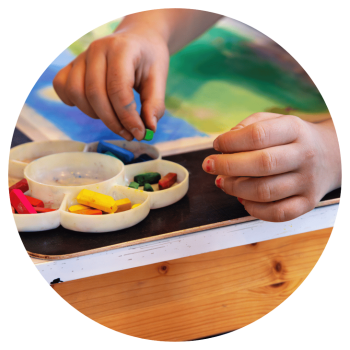
One reason art therapy is effective is its ability to engage all parts of the brain through bilateral stimulation. Creative expression can reduce stress, improve emotional regulation, process difficult memories, and promote well-being. While traditional talk therapy often focuses on the logical side of the brain, art therapy engages areas where memories and trauma are stored, helping reconnect sensory memories with the logical brain and support trauma processing.
Another common misconception is that art therapy is about creating something “pretty.” Many people hesitate because they believe they aren’t artistic or were told as children that they aren’t creative. Art therapy, however, is not about the end result, it’s about the process. Through creating, clients can gain insight into their emotions, thoughts, and beliefs while challenging negative self-beliefs developed in childhood.
Ultimately, art therapy is not about talent or producing a masterpiece—it’s about trusting the process. Through creation, people can discover new ways to connect with their emotions, process trauma, and gain valuable insights into themselves. All it takes is a willingness to let go of perfection and embrace the journey.